
Whether you're dealing with leakage, pelvic pain, or recovering from prostate surgery, it's normal to have questions before your first visit. Below you'll find straightforward answers about what to expect, how sessions work, and what treatment costs — so you can feel confident taking the next step.
Getting Started & Appointments
How do I know if pelvic floor therapy is right for me?
We offer a FREE 15-minute consultation to help determine if pelvic floor physical therapy is appropriate for your specific needs. This is a great opportunity to understand how you will benefit and how we will work together to achieve your goals.
How is pelvic floor therapy different from regular therapy?
Pelvic Floor Therapy is a specialized branch of physical therapy that focuses on the pelvic region while considering the implications of the hips and low back. Therapists receive additional training to address the unique needs and sensitivities of the pelvic floor muscles and associated functions of the bowel and bladder.
What happens during a pelvic floor therapy session?
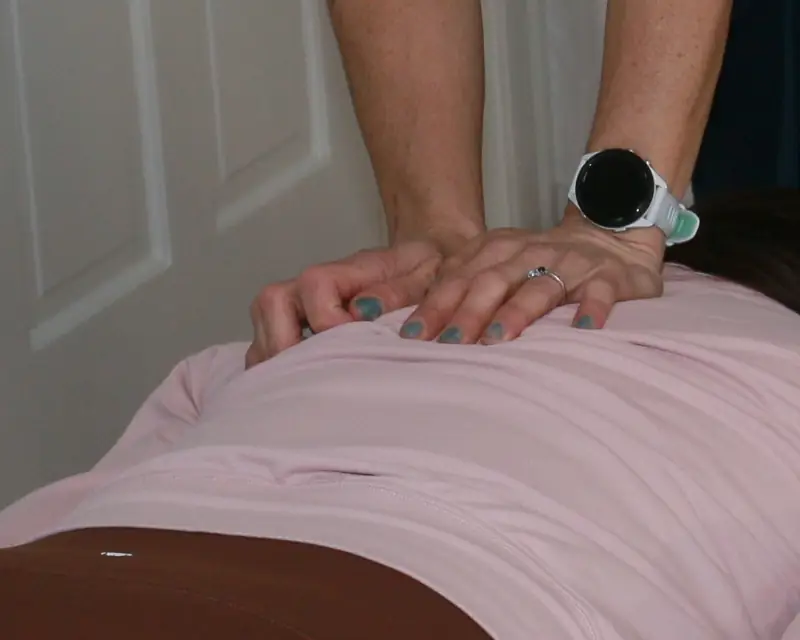
A typical session involves an initial assessment to understand the individual's symptoms and medical history. Tests and measurements include hip and back range of motion and strength testing as well as assessment of the pelvic floor muscles. The therapist then develops a personalized treatment plan, which may include exercises, manual therapy, and education on lifestyle modifications.
How often will I need to come in, and how soon will I see results?
Frequency varies based on your symptoms, goals, and how your body responds; appointments are typically scheduled 1-2 times per week or every other week. While everyone’s journey is unique, some people begin to notice improvements within the first few sessions.
The ultimate goal is to provide you with the knowledge and skills to be independent in your progress long after your sessions are complete.
How do I schedule an appointment?
All scheduling is handled directly with Nora. You can reach out via text, phone, or email to find a time that works for you.
Insurance & Payment
Do I need a referral?
No, NYS is a direct access state, meaning physical therapy services are available to everyone without a referral from a prescribing provider.
However, if you want to use your insurance, you will need to call your insurance company and ask if your plan provides out-of-network coverage for physical therapy services. Specialized pelvic floor physical therapy is physical therapy and does not need to be specified.
Using out-of-network insurance coverage: Generally you will need a referral from a prescribing provider with the same diagnosis codes that physical therapy will treat. You will also need a superbill from the physical therapist. Syracuse Pelvic PT will provide a superbill upon request.
What does treatment cost — cash pay vs. using insurance?
At Syracuse Pelvic PT, we are a cash-based practice, meaning we do not bill insurance directly. Many patients find that cash-based care is not only more affordable than it appears, but offers significantly more flexibility and personalized attention than insurance-based treatment. Here's how the two compare:
| Category | Cash Based | Insurance Based |
|---|---|---|
| Cost Per Visit | One flat rate for 45–60 minutes of hands-on treatment. No deductibles, surprise bills, or hidden fees. | If your deductible hasn't been met, expect $120–$180 per visit for a 30–45 minute session. Once your deductible is met, co-pays typically run $20–$50 — though insurance-based sessions are usually limited to 30 minutes. |
| What We Can Treat | Whatever you need that day. Come in for pelvic floor PT but your neck or foot is bothering you — we treat it. Your care is not limited to a diagnosis code. | Treatment is limited to what's listed on your referral. Pelvic floor PT means we can only address pelvic floor, back, and hip conditions — nothing outside that scope. |
| Scheduling & Questions | Text or email anytime to reschedule or ask questions about your care. Syracuse Pelvic PT responds within 24 hours. | Schedule changes require a call to the front desk to leave a message or be placed on hold. Questions about your program are answered at your next visit. |
FAQs for Men
General
Why is it so hard to find a pelvic floor PT who treats men?
Pelvic floor physical therapy has historically been associated with women's health, and many practices don't train for or accept male patients. Nora specifically pursued advanced training in men's pelvic health and is one of the only private practices in Central New York actively treating men. If you've been turned away or couldn't find anyone who takes your concerns seriously, you've found the right place.
Will treatment or assessment be internal?
Sometimes, but it is always your choice. An internal assessment is one tool that gives us the most accurate information about your muscle strength—but it is not mandatory. We can still make significant progress using external techniques focusing on your hips, core, and breathing. We only proceed with what you are comfortable with, and you are always in control of the session.
Can pelvic floor PT help with chronic pelvic or testicular pain?
Yes, and it is often underdiagnosed and undertreated in men. Chronic pelvic pain — including testicular pain, groin discomfort, and post-vasectomy pain — is frequently caused by muscle tension, nerve irritation, or movement patterns that PT can directly address. Many men have seen multiple providers without answers before finding relief through pelvic floor therapy.
Prostate Surgery
Why should I see a pelvic floor specialist before my surgery?
The best outcomes for prostate surgery begin before the procedure. Meeting with a pelvic floor specialist for 1-2 visits prior to surgery can make a meaningful difference in recovery.
Just as you might do pre-op physical therapy for a knee or hip replacement, preparing your pelvic floor muscles is equally vital. Surgery involves removing an organ that sits right next to the nerves and muscles controlling your bladder and sexual function. These sessions focus on strengthening your hip and pelvic floor muscles to give you a head start on recovery.
When does physical therapy resume after the procedure?
Most patients return to pelvic floor rehabilitation 4-6 weeks after surgery. This gives your internal tissues enough time to heal properly before you begin active exercises.
What should I expect regarding urinary leakage?
- Initial Stage: It is normal to experience significant urinary leakage for the first few days to two weeks after your catheter is removed.
- Recovery Period: With consistent pelvic floor rehabilitation, most men see a steady decrease in leakage over 3-6 months.
- Management: Supportive devices (like pads or guards) are excellent for short-term use, especially for travel or social events, while you regain control.
How long does it take for erectile function to return?
Recovery varies based on the specific procedure and your surgeon's technique. Generally, function returns gradually over a window of 6 months to 2 years.
FAQs for Women
General
Will there be an internal assessment?
An internal pelvic floor assessment can provide valuable information about muscle strength, coordination, and tension — but it is always your choice. Nora will explain what's involved, why it may be helpful, and will never proceed without your consent. Many women find that it answers questions they've had for years.
I've been told leaking is normal after having children — is that true?
Leaking is common after childbirth, but it is not something you simply have to accept. It is a sign that your pelvic floor muscles need support — and that is exactly what pelvic floor PT is designed to address. Most women see significant improvement with the right care. You deserve better than "just live with it" or "do your kegels".
Can pelvic floor PT help with pain during intimacy?
Yes. Pain with intimacy — whether it has been present your whole life or developed over time — is often related to muscle tension, scar tissue, nerve sensitivity, or hormonal changes. These are treatable. Nora provides compassionate, judgment-free care to help you understand the cause and work toward comfortable, enjoyable intimacy again.
Pregnancy & Postpartum
When should I start pelvic floor PT during pregnancy?
Any time during pregnancy is appropriate, but earlier is better. Many women benefit from starting in the first or second trimester to address discomfort, prepare their body for delivery, and build the strength and coordination they'll need as their body changes. The common problems of urinary frequency and leakage don’t need to rule your life. A nagging hip or back pain prior to pregnancy, may worsen as your pregnancy progresses.
How soon after delivery can I begin pelvic floor therapy?
A general guideline is 6 weeks postpartum, which is typically when your OB clears you for physical activity. However, Nora can see you earlier for gentle education, breathing work, and movement strategies that support healing even before active rehabilitation begins.
Do I need to have symptoms to benefit from postpartum care?
No. Pelvic floor PT after childbirth is valuable even without obvious symptoms. Pregnancy and delivery place significant demands on your pelvic floor regardless of how your recovery feels, and early care can prevent problems from developing later — including prolapse, incontinence, and core weakness. Think of it as part of your recovery, not just a response to something going wrong.
Menopause & Midlife
Can pelvic floor PT help with changes related to menopause?
Yes. The hormonal shifts of perimenopause and menopause can affect pelvic floor muscle tone, tissue elasticity, and bladder sensitivity — leading to leaking, urgency, dryness, pain with intimacy, or prolapse symptoms. Pelvic floor PT addresses these changes directly, helping you understand what's happening in your body and giving you tools to manage or reverse many of these symptoms.
I've had symptoms for years — is it too late to see improvement?
It is never too late. Many of Nora's patients have lived with leaking, pain, or prolapse symptoms for years — sometimes decades — before seeking care, and still see meaningful improvement. The length of time you've had symptoms may affect how quickly you progress, but it does not close the door on healing.
Prolapse & Surgery
Can pelvic floor therapy help avoid surgery for prolapse?
For many women, yes. Conservative management with pelvic floor PT — including targeted exercises, posture and pressure strategies, and lifestyle modifications — can significantly reduce prolapse symptoms and improve quality of life without surgery. Even if surgery is eventually recommended, PT both before and after will improve your outcome and recovery.
How soon after a hysterectomy can I start pelvic floor PT?
Most women are cleared to begin pelvic floor PT around 6–8 weeks post-surgery, once initial tissue healing has occurred. Earlier visits focused on gentle movement, breathing, and education are often possible before that window. Nora works with your surgical team to determine the right timing for your specific procedure and recovery.
Private, Professional Treatment Environment
Your sessions take place in a comfortable, private setting designed for confidential care. No crowded gyms, no shared spaces—just focused, one-on-one attention.